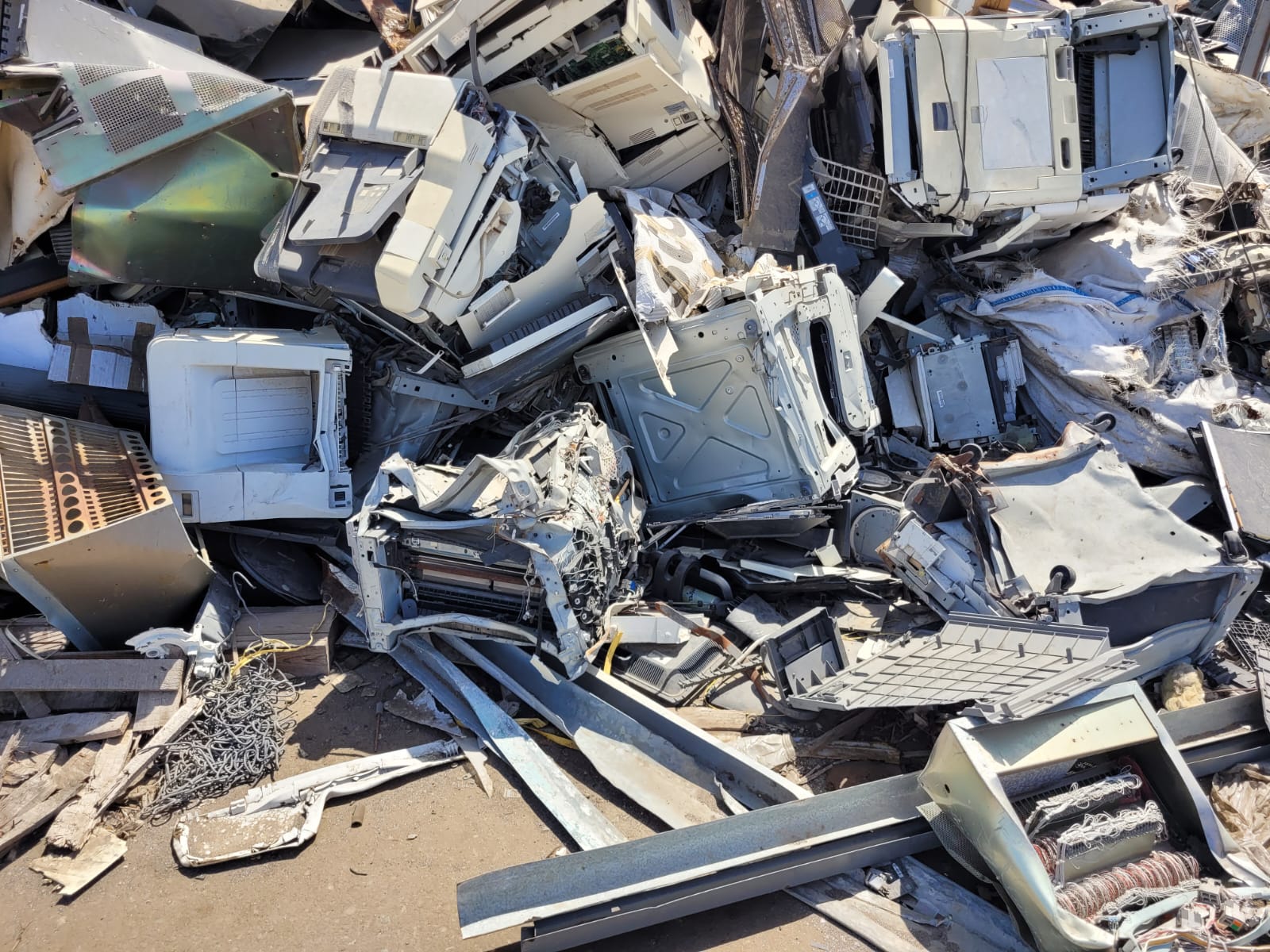
How to Properly Dispose of E-Waste: A Step-by-Step Guide
With the rapid advancement of technology, electronic devices are being replaced faster than ever. This constant upgrade cycle generates significant electronic waste (e-waste), which can harm the environment if not managed properly. Effective E-Waste Disposalnot only protects the environment but also conserves valuable resources. This guide provides simple, actionable steps for proper Electronic Waste Disposal.
Why Proper E-Waste Disposal is Crucial
Improper disposal of e-waste can lead to:
- Release of toxic substances such as lead, mercury, and cadmium into the environment.
- Pollution of water and soil affects both ecosystems and human health.
- Loss of valuable materials like gold, copper, and aluminum, which can be recycled.
Step 1: Identify E-Waste Items
E-waste includes any discarded electronic device. Common examples include:- Old smartphones, laptops, and tablets.
- Outdated TVs and computer monitors.
- Broken kitchen appliances like microwaves and toasters.
- Used batteries, chargers, and cables.
Step 2: Secure Your Data
Before disposing of any electronic device:- Back-Up Important Data: Save your files using cloud storage or external hard drives.
- Factory Reset Devices: Resetting your devices ensures that personal information is removed.
- Shred or Destroy Old Hard Drives: Consider professional data destruction services if your device contains sensitive data.
Step 3: Consider Repair or Donation
If your device is still functional, explore these options:- Repair: Sometimes a simple fix can extend the life of an electronic device.
- Donate: Many organizations accept old electronics to refurbish and provide for needy people. Donation not only helps others but also reduces the volume of e-waste.
- Locate Certified E-Waste Recyclers: Choose a recycler certified by e-Stewards or R2 (Responsible Recycling) standards.
- Drop Off at Collection Centers: Many communities have e-waste collection events or designated drop-off locations.
- Use Manufacturer Take-Back Programs: Several electronics manufacturers offer recycling or trade-in programs.
Step 4: Recycle E-Waste Responsibly
Recycling is one of the best methods for E Waste Disposal. Follow these steps:Step 5: Avoid Landfills
Never dispose of e-waste in regular trash bins. Electronics can leach harmful chemicals into landfills, contaminating soil and water. Recycling ensures these materials are handled safely and efficiently.Step 6: Educate and Advocate
Spread awareness about proper Electronic Waste Disposal in your community. Encourage schools, workplaces, and local governments to organize e-waste drives and promote recycling initiatives.Conclusion
Disposing of e-waste responsibly is a shared responsibility. Eco Weplus is committed to providing eco-friendly and efficient Electronic Waste Disposal services. By following this guide and utilizing our resources, you can play a vital role in reducing e-waste's environmental impact. Let’s work together for a cleaner, greener tomorrow.Back to Blog